
AFAC CEO Q&A: Commissioner Gavin Freeman AFSM, Victorian Fire Rescue
In May 2023, Gavin Freeman AFSM was appointed as Victoria Fire Rescue Commissioner. In this edition of CEO Q&A, Rob Webb asks the Commissioner for his perspectives on firefighting and what he's picked up in his first few months in the new role.
By AFAC
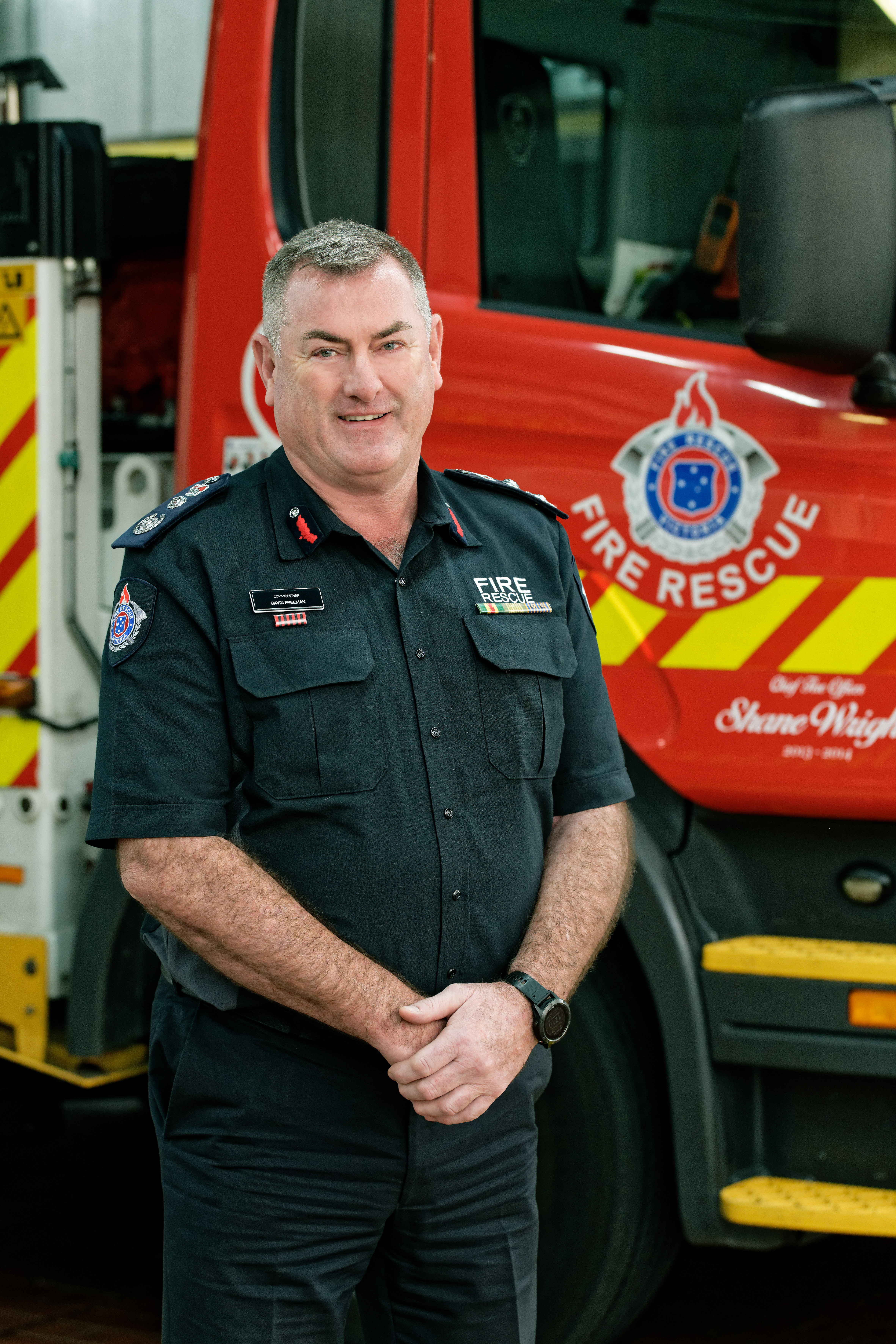
In May 2023, Gavin Freeman AFSM was appointed as Victoria Fire Rescue Commissioner. In this edition of CEO Q&A, Rob Webb asks the Commissioner for his perspectives on firefighting and what he's picked up in his first few months in the new role.
You've taken the role of Fire Rescue Victoria Commissioner in May 2023. How has this leadership transition been in the first few months, and what is your long-term vision for the organisation?
It is an honour to have been appointed Victoria’s Fire Rescue Commissioner and to lead our Fire Rescue Victoria (FRV) employees. Leadership transition is a complex process. My transition has run in parallel with some major challenges, including a significant cyber-attack, multiple enterprise bargaining negotiations and budgetary pressures. I want to lead an organisation that makes evidence-based decisions that are consistent with our values (of Accountability, Community Service, Integrity, Respect and Teamwork). This is my focus when making decisions about the various challenges that come across my desk.
I am proud to bring stability and continuity to the role, having transitioned from being a Deputy Commissioner since FRV’s inception in 2020. My long-term vision is for FRV to continue to build towards a more modern, complementary fire service, serving Victorians across Melbourne and major regional centres, and working in partnership with Victoria’s other firefighting services – the Country Fire Authority and Forest Fire Management Victoria.
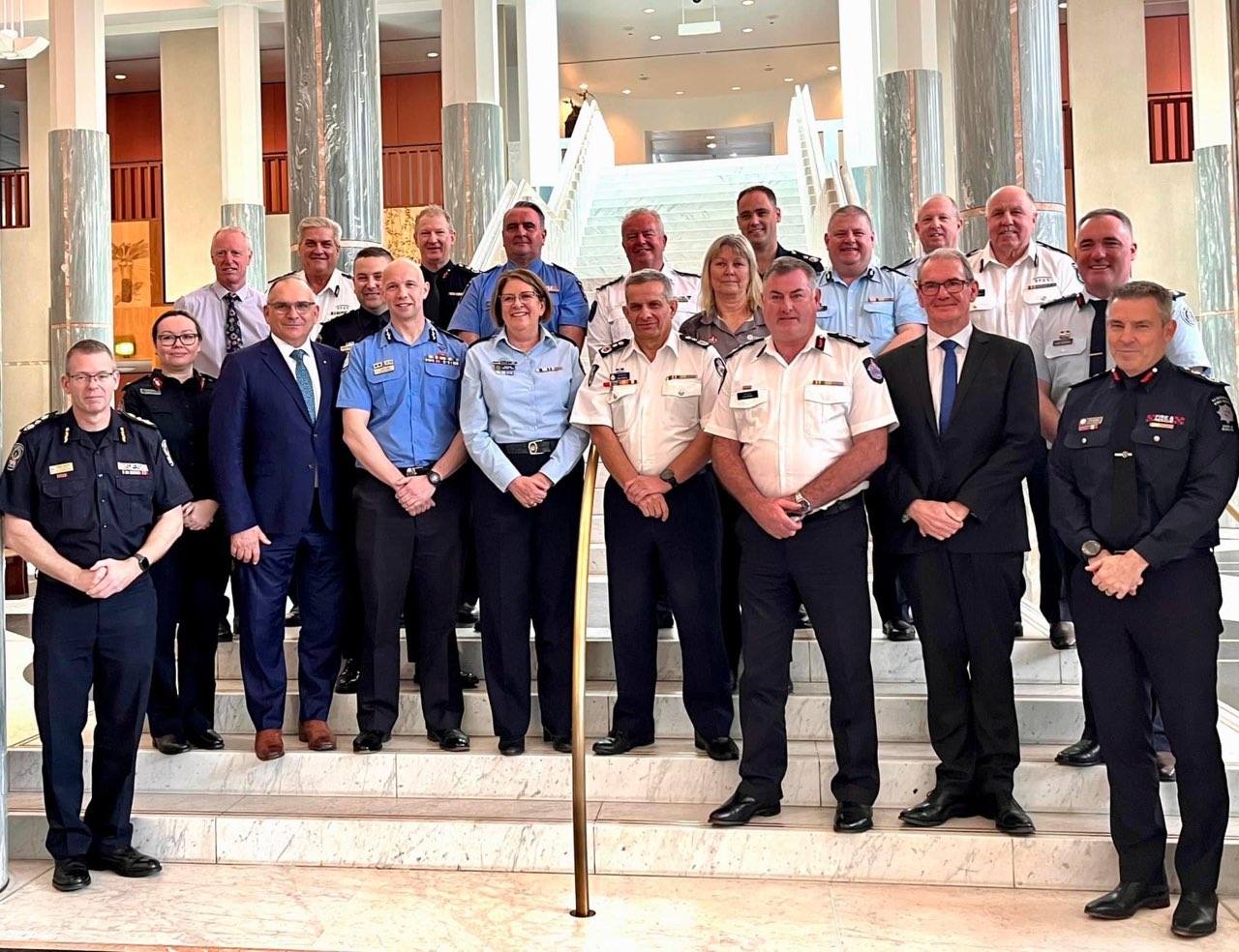
There have been major changes at FRV in recent years, including legislative and leadership changes, as well as identity changes (with the new organisation title) and cultural through the workforce and community. How is FRV embracing this change, and what are the impacts?
FRV’s formative years have seen us respond to large-scale emergencies and natural disasters, including COVID-19, significant floods, and an internal incident too, which was the cyber-attack of December 2022, while continuing to provide outstanding fire, medical and other specialist response to Victorians. There have also been changes in leadership, new procedures, a new name, reviewed doctrine and cultural change. We have navigated our way through this, each time rising to the challenge, trying to bring people along the journey, and learning from our experience. Importantly, we always “get on with the job” and put the communities we serve at the front of everything we do.
Being part of developing a new fire and rescue service is a unique opportunity. I have a clear obligation to contribute to the establishment of an excellent organisation for the future, and to foster a sense of trust and confidence in FRV. We are still building awareness of our name and identity, but, over time, I am sure the community will come to know us well.
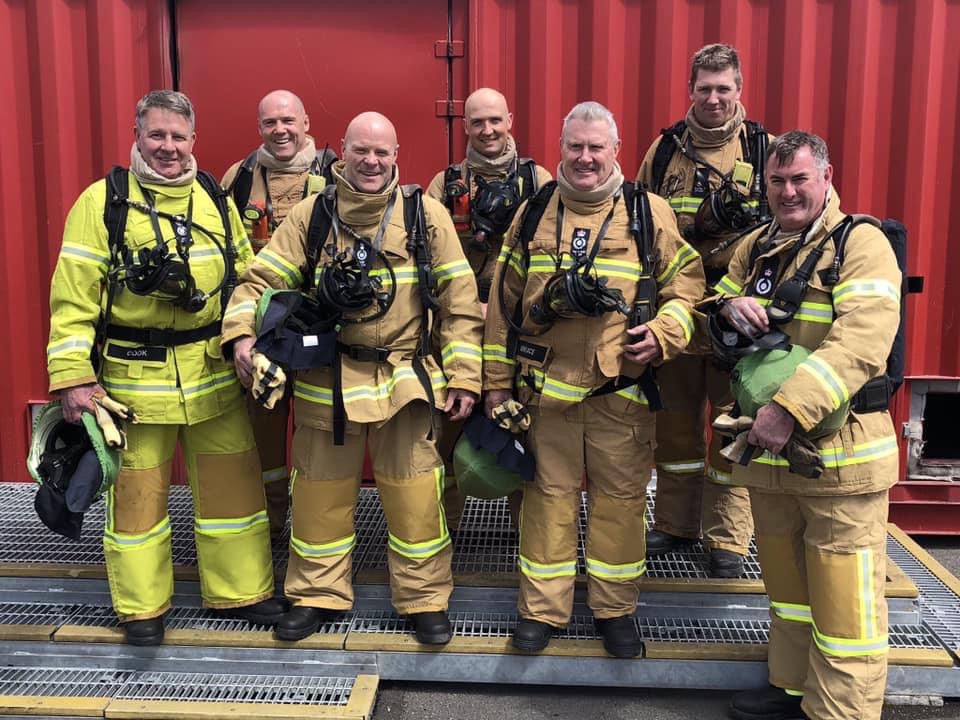
Your journey to this position spans more than 30 years. What are some of the key values that have stayed with you as you've progressed through your career?
Over the 38 years of my firefighting career, my focus has always been on delivering, establishing and maintaining an environment where our people feel safe and happy. At the foundation of this are my own values. I am accountable for ensuring a safe environment for FRV's people, as well as the delivery of a reliable service to our community.
FRV has over 4,500 employees, most of whom are operationally focused. Our firefighters are often helping the community on someone’s worst day, and there’s a level of trauma, direct or indirect, that comes with that. I am always conscious of this. My focus is on listening and empowering our leaders to support our teams through the challenges. Placing others before myself has been my intention throughout my career. It is what drove me to become a firefighter, and this same sense of purpose still drives me today.
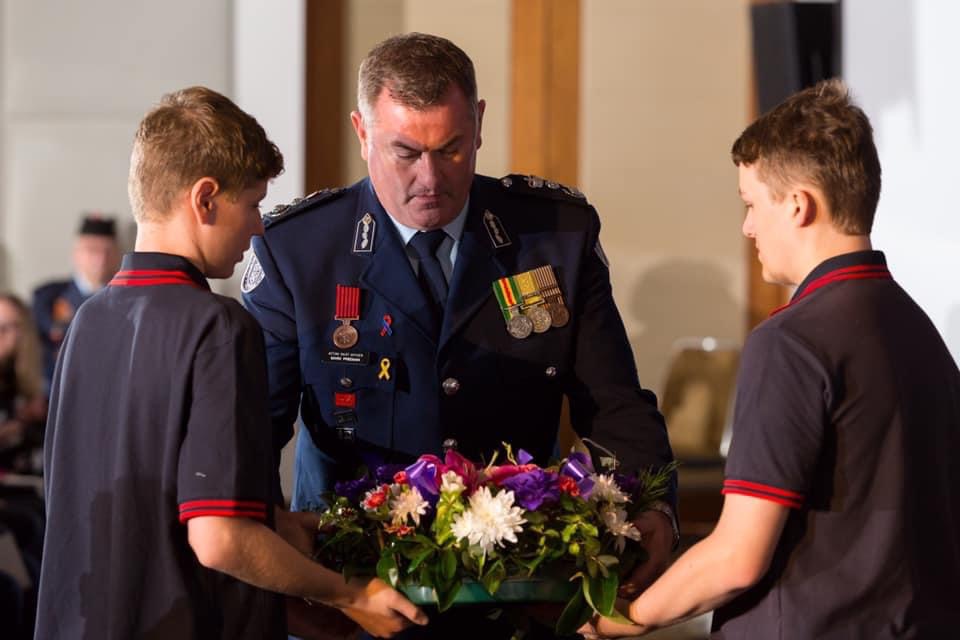
In your time you've had many points of contact to AFAC's Collaboration Groups and projects. How has the AFAC model served you in your career, and how has it grown over time?
I am incredibly supportive of AFAC and have chaired a couple of groups and been involved with the organisation collaboratively. I firmly believe that a problem shared is a problem halved. There is always somebody with whom we share a common purpose and understanding, and I think that the right solutions often emerge from collective wisdom. This mentality was incredibly helpful when I was in the Tasmania Fire Service, which is understandably a much smaller organisation. When I was there, we really benefitted from the knowledge and resources of colleagues on the mainland, and AFAC of course too.
In turn, a larger organisation like FRV has a responsibility to share our knowledge, expertise, doctrine and advice with our colleagues across the country, and internationally too. We all benefit when fire services work together, and it is my intention to champion this philosophy.
What are some of the priorities you want to put on the AFAC National Council table? Where do you want to see AFAC Members work together to influence change?
AFAC works best when all its members work together. Emerging technologies are one of the areas where I think our influence would greatly benefit policymakers. Agencies across Australia are increasingly responding to emerging risks associated with lithium-ion batteries, and AFAC and its members are well placed to share advice on minimising the risks.
I think there are so many opportunities with technology, such as simulators for training and robotics for example. I don’t suggest these technologies will ever replace responders, but if they can be another tool at the disposal of our people, they are worth exploring. I would also like us to further the discussion around how we respond across national and international borders, in terms of skillsets, and how we can configure deployment timeframes to deliver an effective response, while supporting people and providing development opportunities.